Practical guidance for proposal professionals — from compliance best practices and RFP analysis techniques to GovCon strategy and software deep-dives.
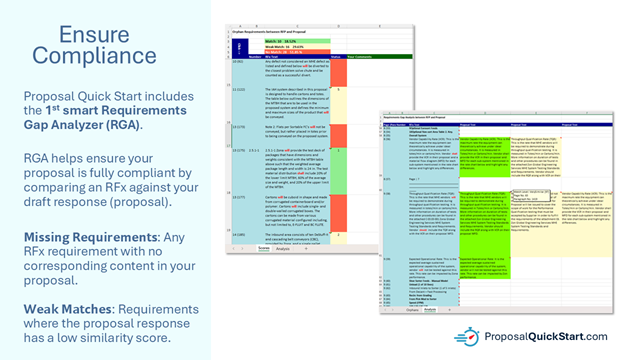
The Requirements Gap Analysis (RGA) in PQS is a purpose-built safety net that compares your draft proposal against the original RFx — automatically flagging every missing requirement and every weak response before submission.
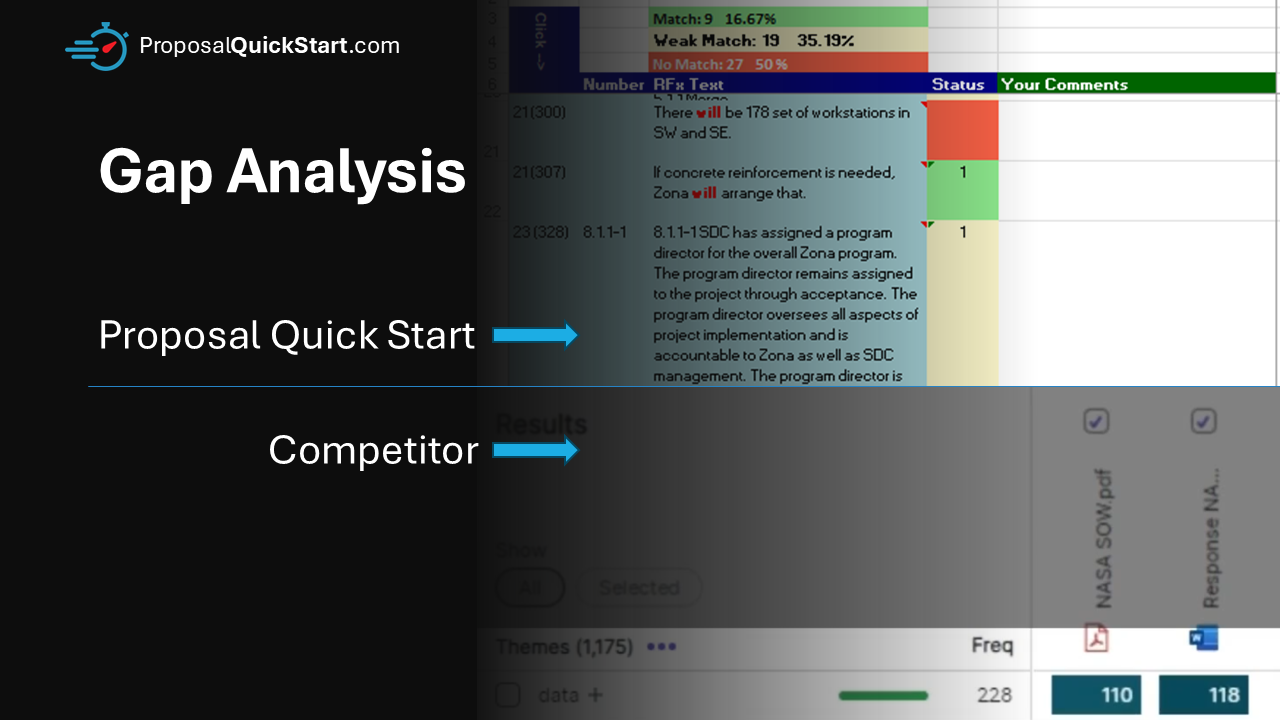
The term "Gap Analysis" means very different things across proposal tools. In PQS it analyzes the vector semantic relationship between requirements and responses. In competing tools, it means high-level thematic consistency. That distinction determines whether you catch a real compliance failure — or just get a generic report.
Generative AI is a powerful writing assistant — but it hallucinates, misses requirements, and cannot guarantee compliance. Discover how PQS's Requirements Gap Analysis acts as the deterministic safety net that every AI-assisted proposal process needs.
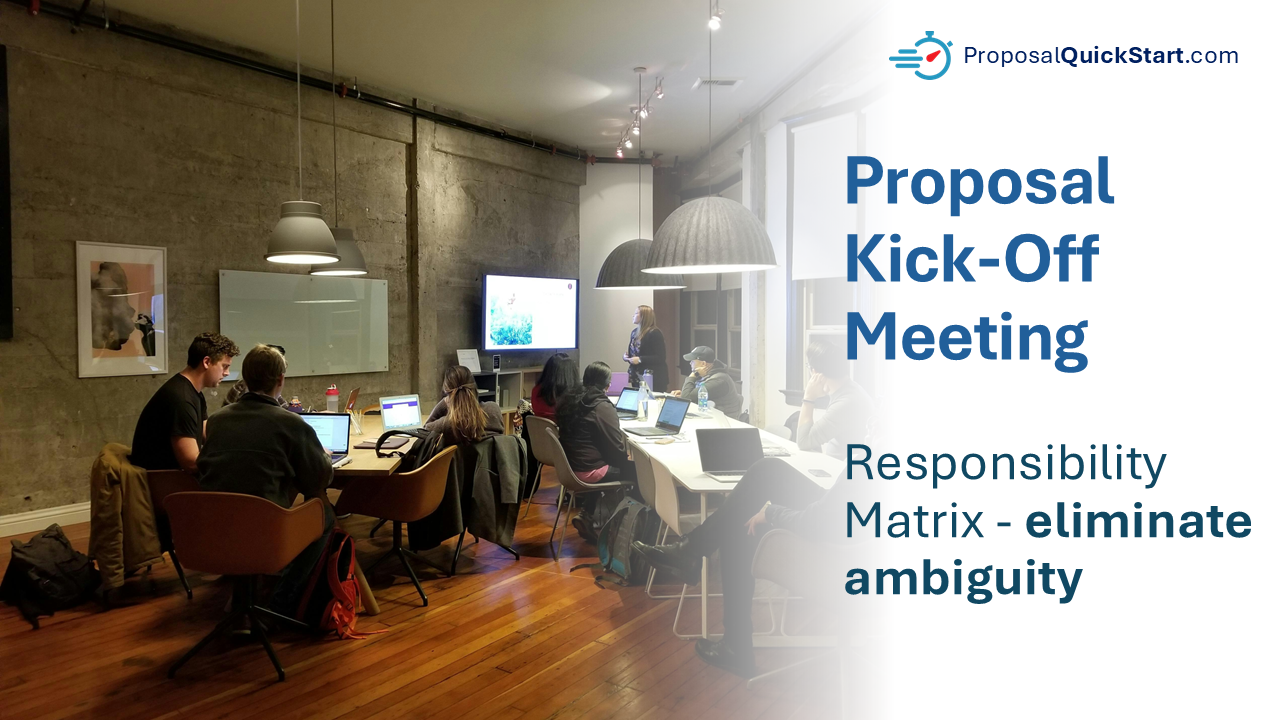
Stop running kick-off meetings on guesswork. Using PQS's Responsibility Matrix, you can arrive with a data-backed plan that assigns specific RFP paragraphs to specific department owners — before the first question is asked in the room.
During a period of major FAR updates, relying on outdated templates or saved local copies of regulations is a serious risk. PQS connects to official government sources daily — turning one of GovCon's biggest compliance landmines into a competitive advantage.
An RFP is a complex web of interconnected requirements — technical, management, submission, and contractual — each with the power to disqualify your entire bid. Manually finding, tracking, and validating them is a high-risk, time-consuming process. Here's how to navigate the minefield.
Try PQS free — no training needed, no credit card required. You'll be productive from the first session.